The history
of Oma
It Started in America
Early beginnings in Leirvik, Stord
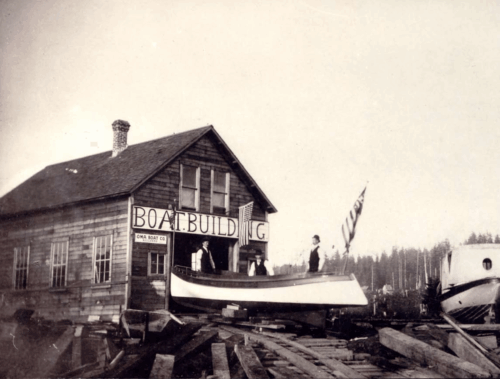
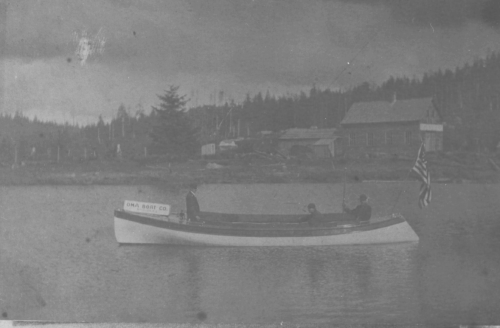
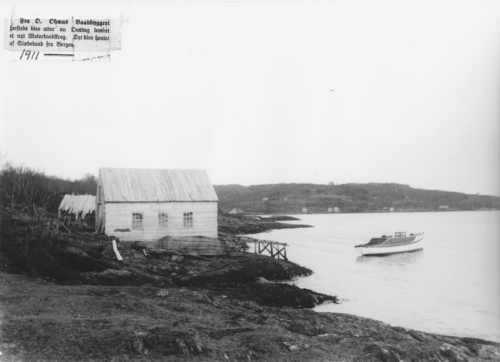
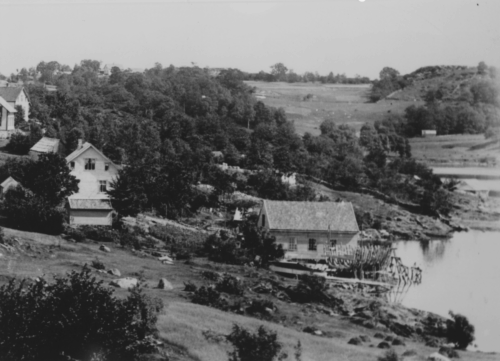
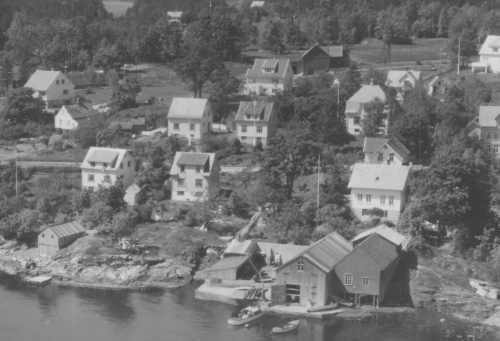
In 1909, Ola Oma founded his new boatbuilding business on Stord, laying the foundations for what would later become Oma Baatbyggeri. Leirvik on the island of Stord held a central place in communications, north to Bergen and south to Haugesund and Stavanger. From the outset, the enterprise was characterised by solid workmanship, practical innovation and vessels adapted to demanding coastal conditions. Ola Oma led the company through its formative decades, including periods of economic change and war, establishing a reputation for reliability and problem‑solving that became synonymous with the Oma name. His emphasis on craftsmanship, independence, and adaptability enabled the smooth transition of responsibility to his son, Gunnar Oma Sr., and established the values and operational principles that continue to underpin Oma Baatbyggeri more than a century later.
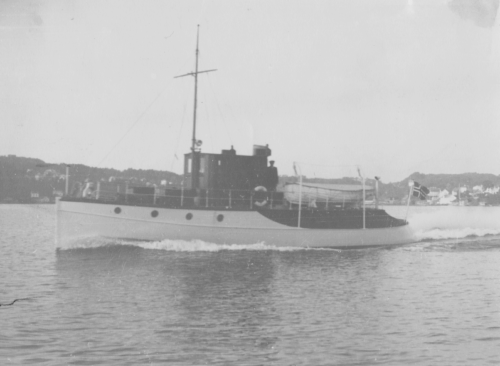
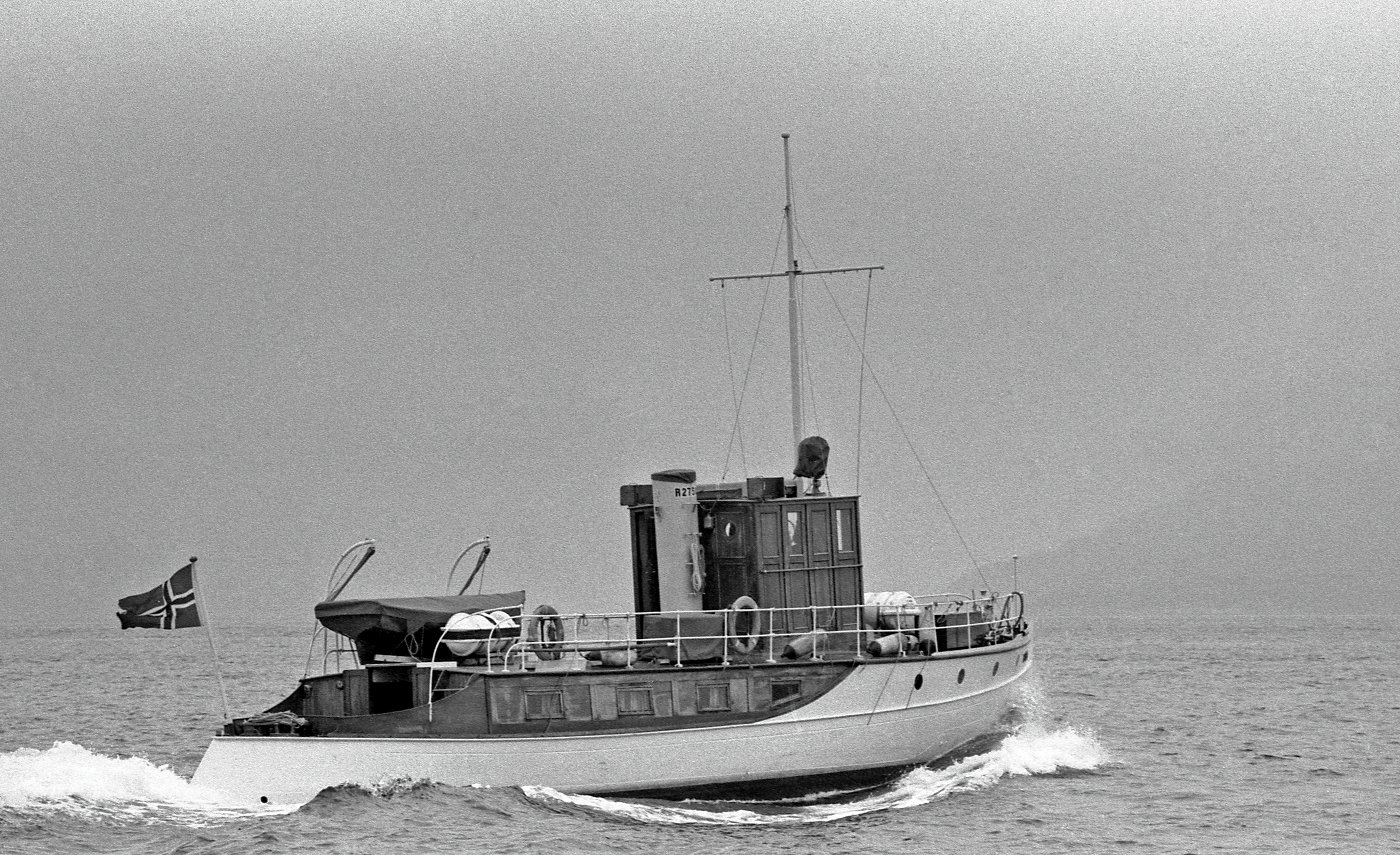
M/Y Tysso
M/Y Tysso is a 58 feet motor yacht built for a shipowner in Bergen in 1917. It is fitted with toilet facilitilites, dining room area and a separate smoking lounge as well as an outdoor cock-pit area. It was considered a very luxurious vessels in its time.
It has in recent years been fully restored at is currently in the ownership of Hardanger Fartøyvernsenter.
Aluminium and aluminium rivets
In 1956 Oma Baatbyggeri introduced aluminium as a building material and started to use aluminium in its boat building. In the early days rivets were utilised to join the materials together.
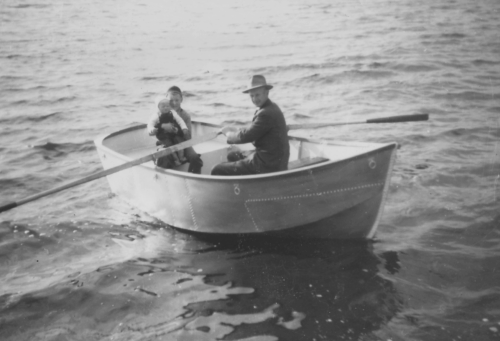
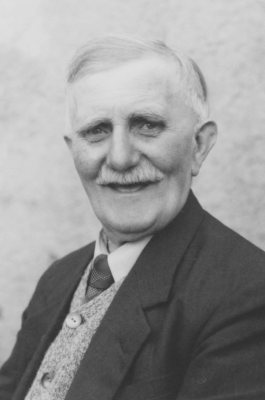
From 1st generation to 2nd generation
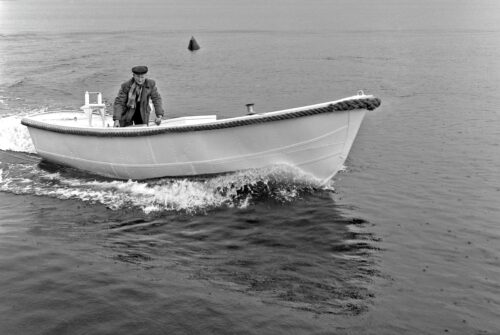
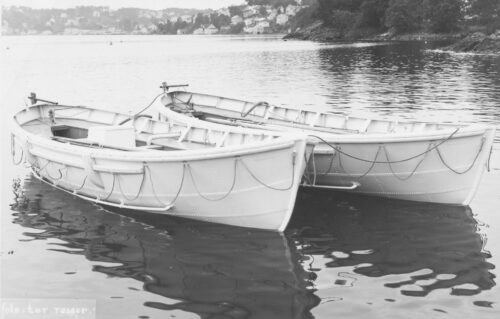
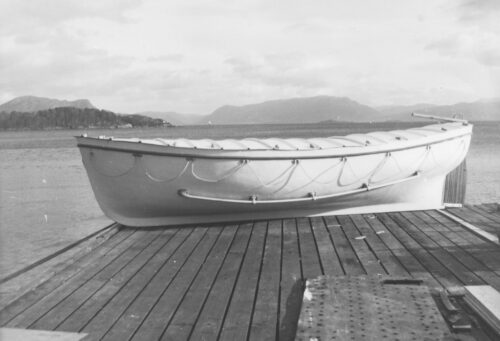
The Lifeboats
After assuming leadership of the company, Gunnar Oma set a clear course toward new markets and technological development, initiating the transition to aluminium boatbuilding. This strategic move aligned the yard with emerging industrial demand and expanded its production capabilities beyond traditional vessel types.
By the late 1950s, activity at the boatyard had increased to such an extent that available space was pushed to its limits, with construction taking place across three levels. The completion of a new concrete workshop building in 1960 provided essential modern infrastructure, although the property was still utilised to its maximum footprint. Site logistics remained challenging, as the yard had no road access and relied entirely on sea transport, a dependency that frequently caused delays during periods of strong winds and rough seas.
The growing market for lifeboats quickly became a key opportunity, driven by rapid industrial expansion. While Oma Baatbyggeri remained a relatively small operation with 15–20 employees, it competed successfully in a demanding market. At peak production, the yard delivered one lifeboat per week, in addition to manufacturing aluminium components such as wheelhouses and funnels for other shipyards. This sustained output soon exceeded the capacity of the facilities at Døso, highlighting the need for further expansion and laying the groundwork for the company’s next phase of development.
Aluminium Welding
In the early 60s welding equipment and techniques became available. This new technology was adopted in to the building process.
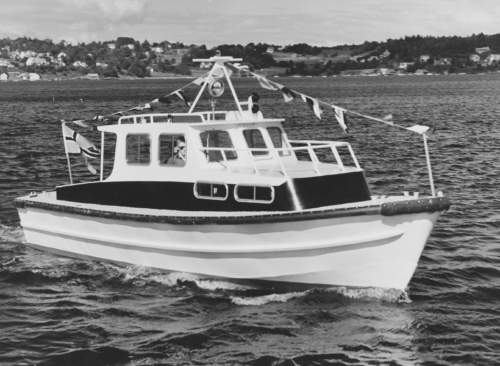
The motor boat “Norge”, the yards Bnr. 187, was the first fully weldedboat delivered by Oma Baatbyggeri. M/B “Norge” was delivered in 1964 and was used as a welfare boat in Port Said, Egypt. During the Suez Canal conflict the boat was confiscated for use in the conflict. The boat was eventually brought back to Norway.
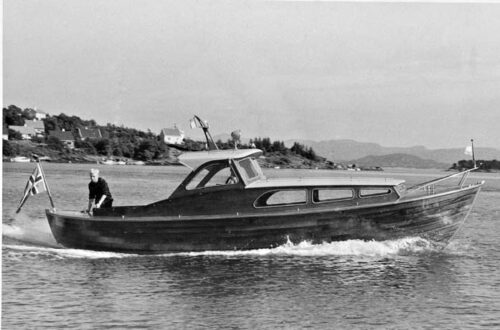
1964 was the year the Oma delivered its last wooden boat. The the buyer was Onar Onarheim and the boat was built in mahogany and with oak framing.
Limited company
In 1972 the comapany changed from being a private company to become a limited shareholding company. This was necessary as the company grew and with this the liabilities grew. The shareholders in the inception year were Gunnar Oma, Trygve Oma, Jan Oma and Ole Oma.
Relocating to a new yard
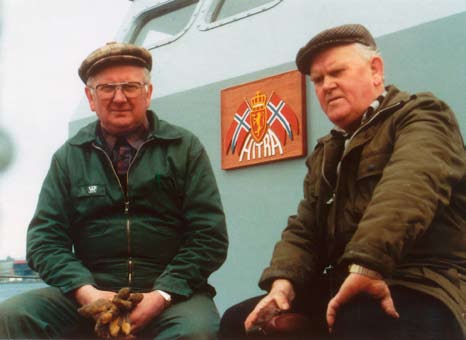
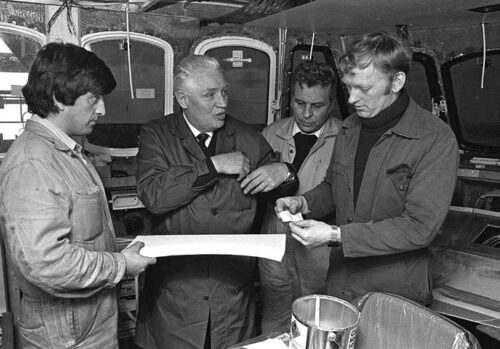
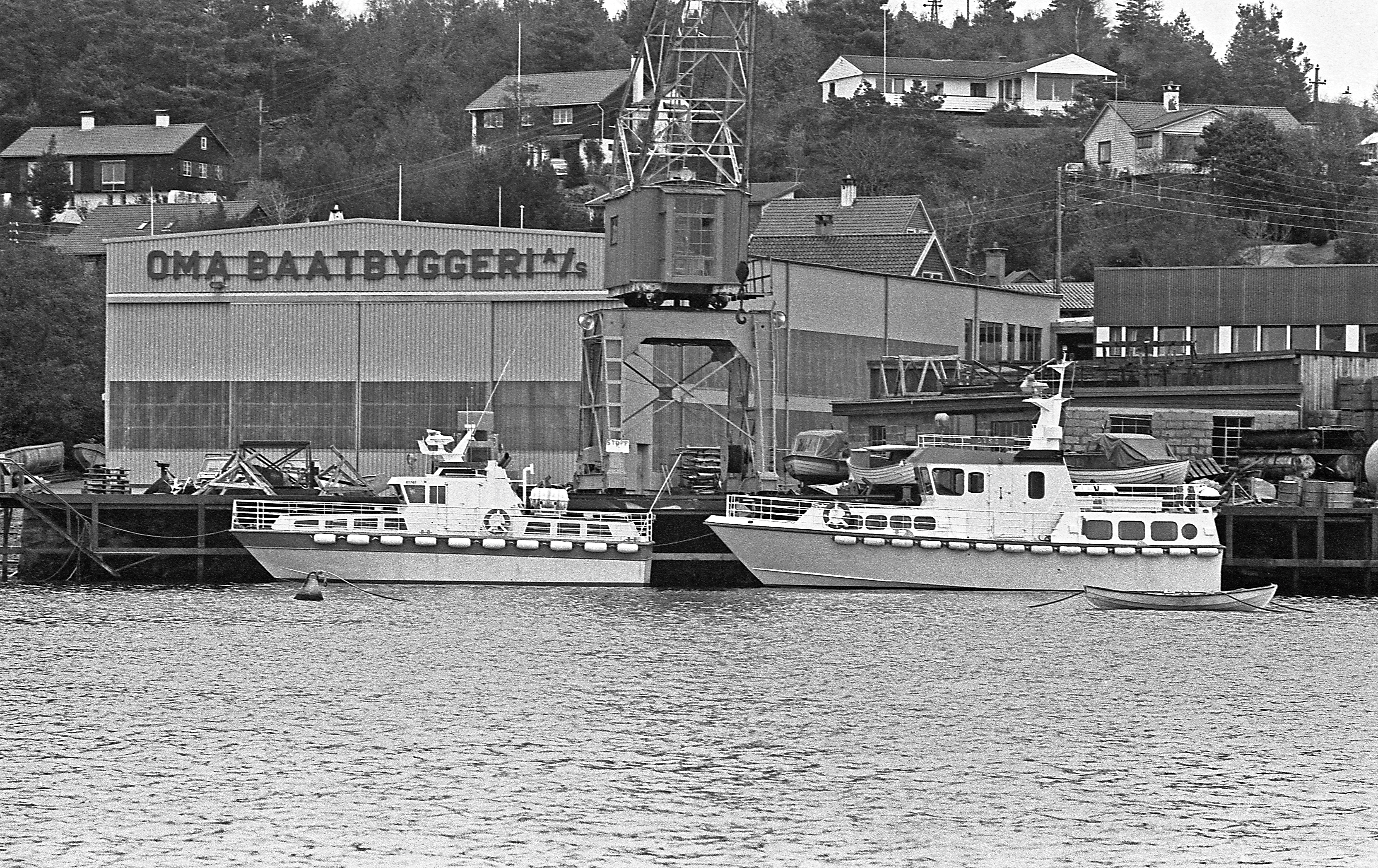
In 1973 the company relocated to its current location in Stord. The activity level grew and so did the boats and with this change the yard in Døso became too small. Oma had taken an option on a new industrial site in Aslaksvikjo in the 60’s. While production continued to the full in Døso the new site took form over the next ten years, first levelled, then equipped with a crane and used for recreational boat storage, whilst the site slowly was being developed into a modern production facility.
In the autumn of 1973 the new workshop stood ready for occupation. While the
concrete fabrication shed in Døso had a floor area are of 400m2 this building was treble that of 1200m2. For the workforce it gave greater possibilities for rational production. It also provided offices, a canteen and cloakrooms; amenities that one only could dream of in Døso.
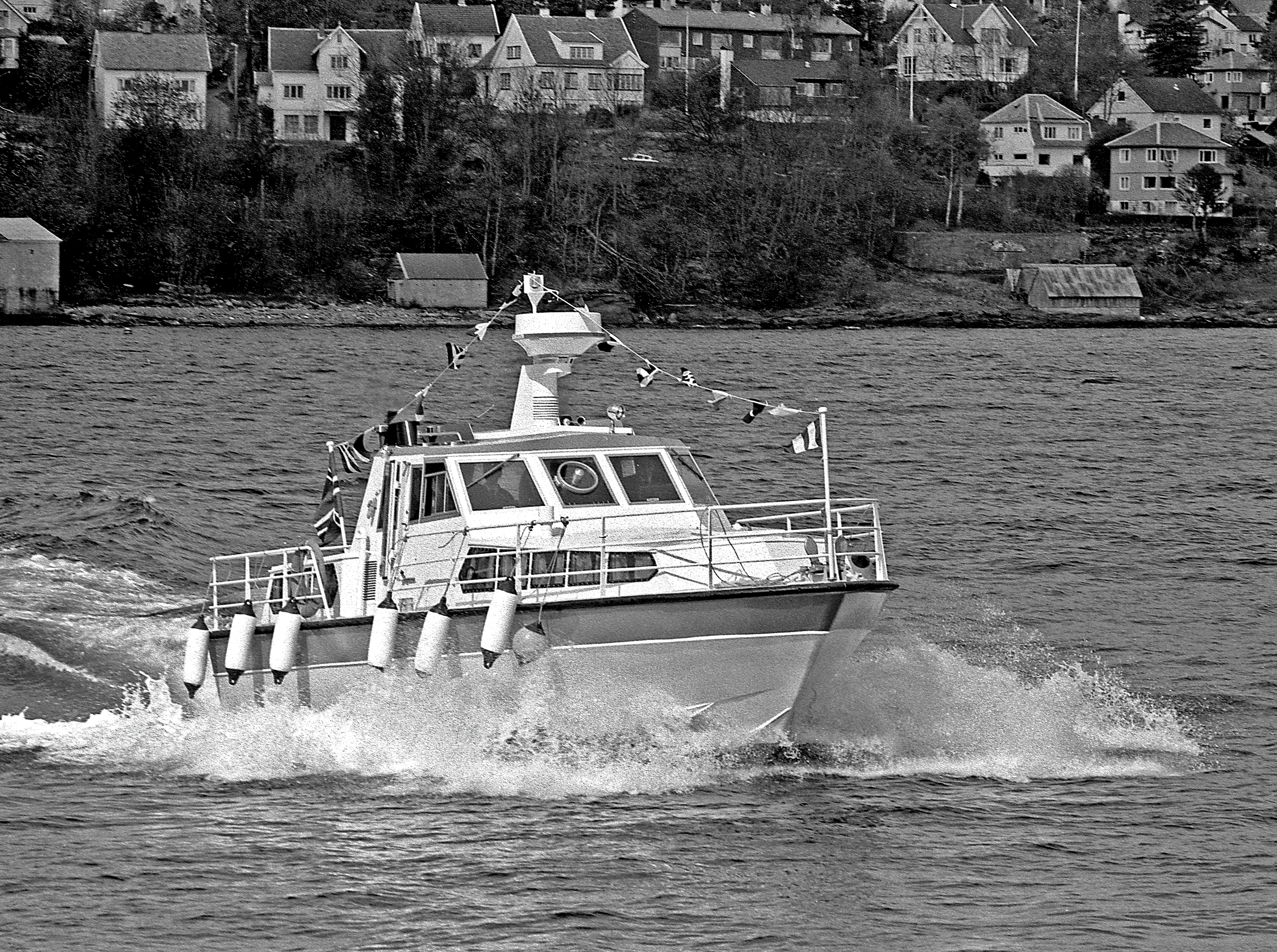
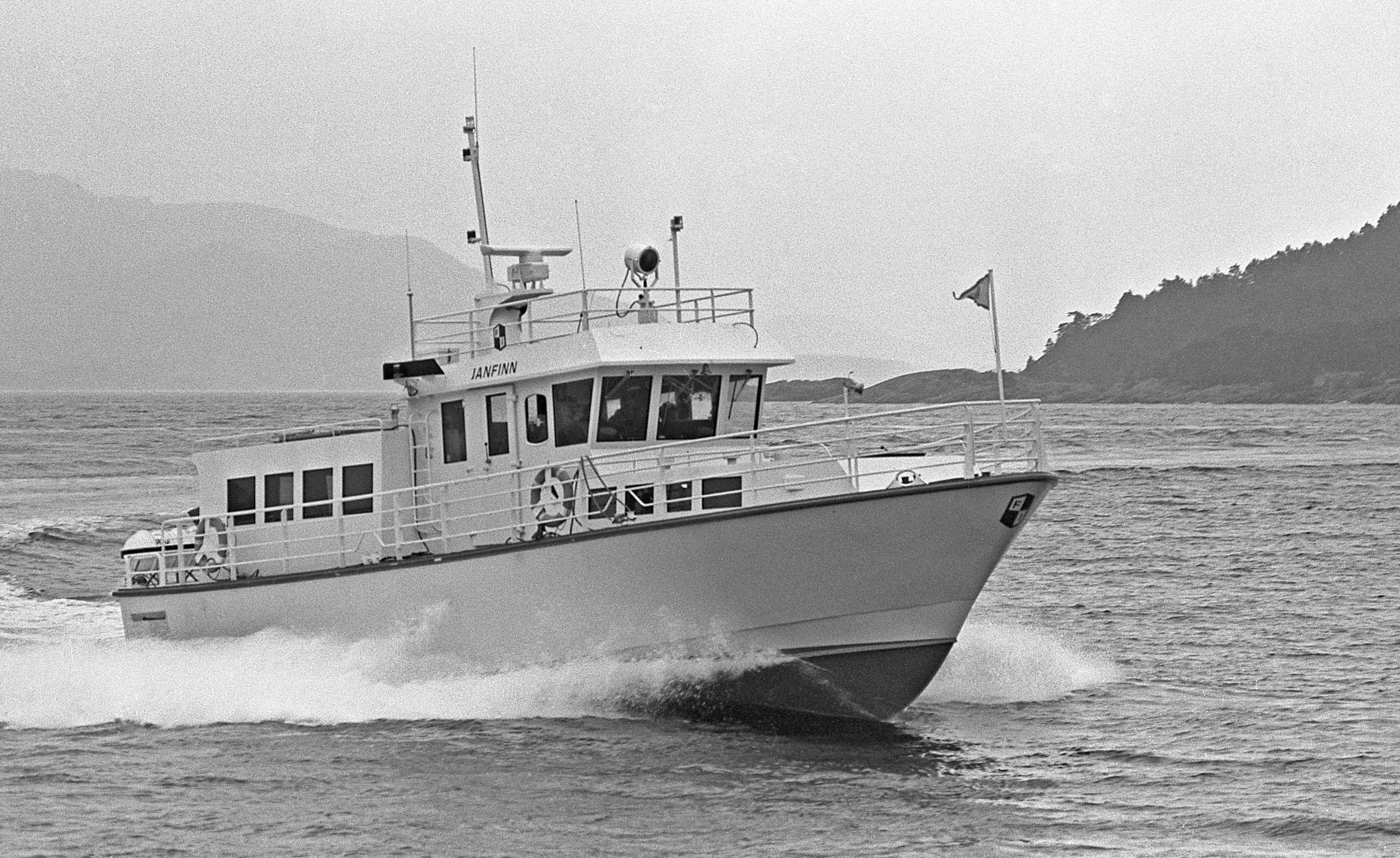
Increasingly aluminium vessels built for high-speed became the norm. During the 70s a large number og shuttle boats were built. These boats were used as sea going ambulances, to transport school children and for all matter of transport needs for the many small island communities along the Norwegian coast
The Shuttle Boats
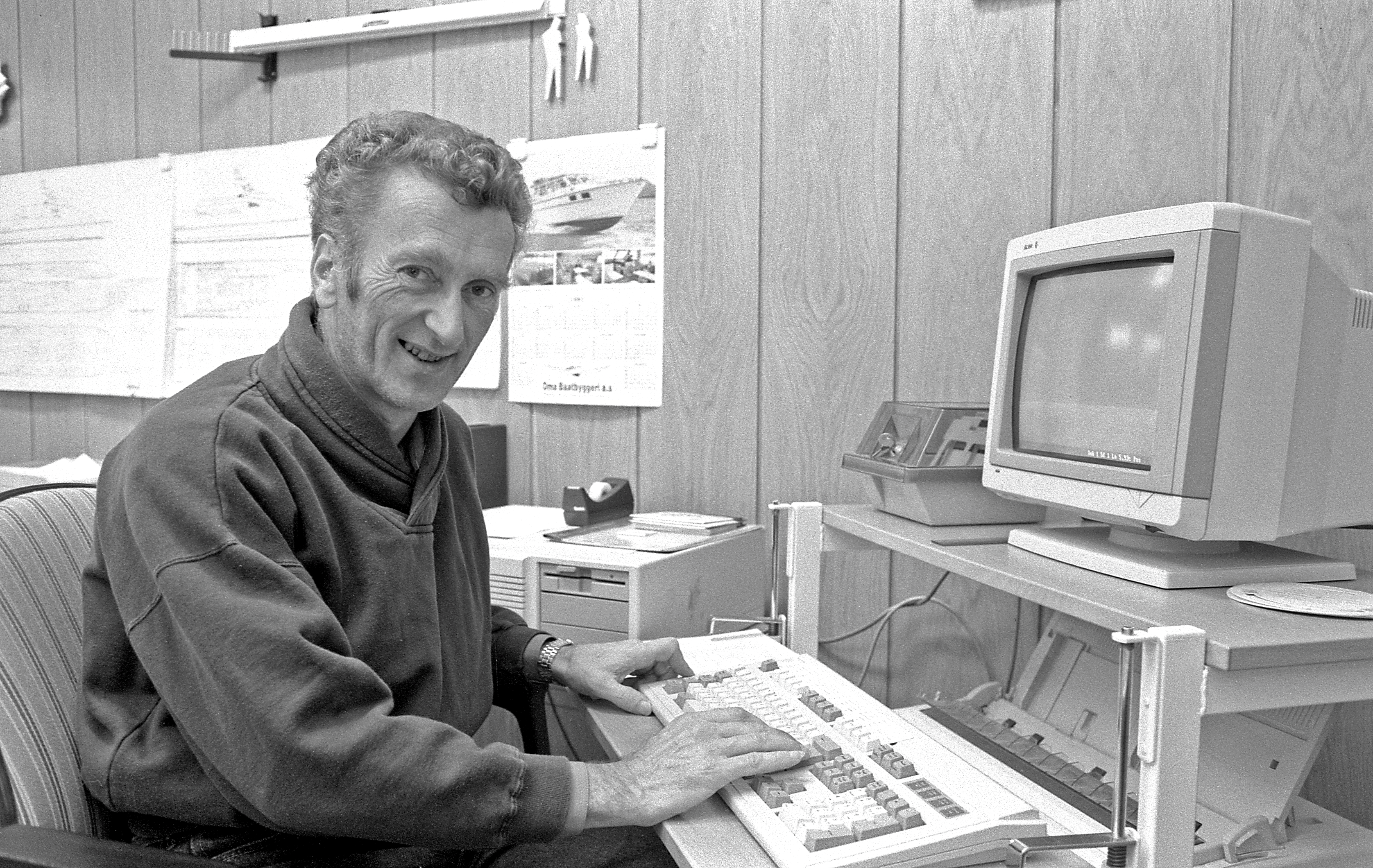
In the period from 1973 to 1985 many shuttle boats were built. Many of these boats were designed by Ole Oma (1941–1997), who for a short period also was the Managing Director of the company. Ole Oma, son of Trygve Oma, worked for many years at Oma Baatbyggeri. He was part of the operational core of the family‑owned company and contributed through practical hands‑on work and professional expertise during an important period of development for the yard.
Oma Slipp & Mekaniske Verksted AS
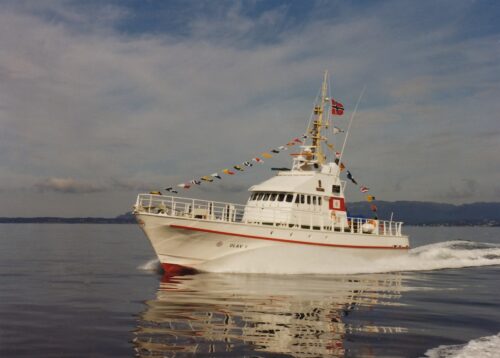
R/S Olav V
In 1981, Oma Baatbyggeri secured a landmark contract for the construction of a completely new type of high‑speed rescue vessel, later named “R/S Olav V.” The contract was unprecedented for the yard, approximately ten times larger than any previous single order, and was awarded in competition with significantly larger shipyards. Winning this project marked a decisive breakthrough and demonstrated Oma Baatbyggeri’s growing technical capability and ambition.
Designed for both high speed and substantial towing capacity, R/S Olav V was highly advanced for its time. The vessel combined innovative technical solutions with demanding performance requirements, achieving a top speed of 27 knots and a bollard pull of 15 tonnes. Measuring 90 feet in length and designed by Pål Francis Hansen, the project had a lasting influence on the boatyard’s subsequent development and its approach to complex, performance‑driven vessels.
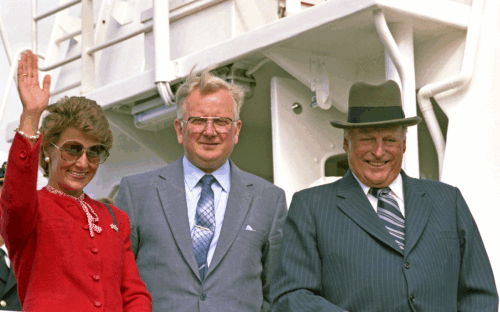
The official delivery took place in Stavanger on 23 August 1982, during a formal ceremony attended by King Olav V. The vessel was christened by Princess Sonja, who served as godmother, in front of invited guests and thousands of spectators. Following the ceremony, R/S Olav V undertook a high‑profile coastal tour from north to south, showcasing Norwegian rescue capability along the weather‑exposed coastline. During the voyage, the vessel visited Leirvik on Stord, receiving extensive coverage in local and regional media. R/S Olav V was later stationed at Fosnavåg.
Aluminium Fabrication
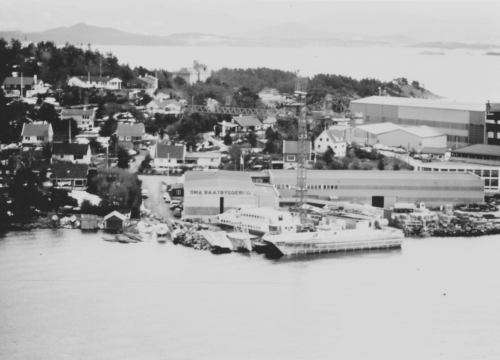
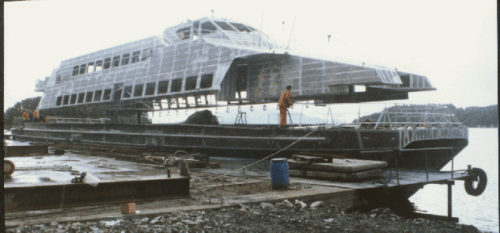
In the period from 1985 to 1995 the main activity was supplying aluminium constructions to other shipyards although some new building was also undertaken.
Up to 1993 the building of the superstructures for 38m and 40m passenger catamarans for Fjellstrand took most of the yard’s capacity. 52 vessels were built in total, which is the equivalent of one delivered every six working weeks.
A total of 150 – 200 metric tons of aluminium was used in the period. In addition, there were also large wheelhouses and hull sections for express ferries and hanging decks for car ferries.
From 2nd generation to 3rd generation

Yard Expansion
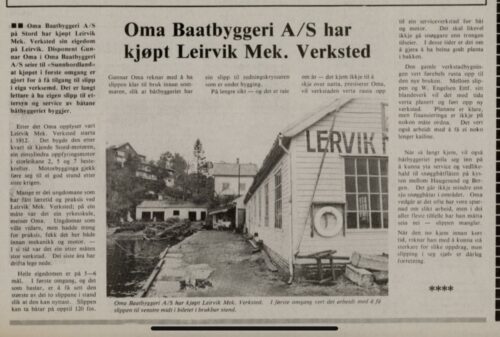
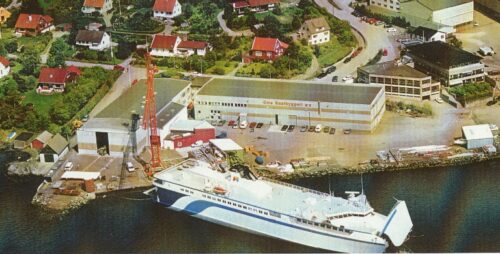
As demand grew and production activity increased, Oma Baatbyggeri took decisive steps to strengthen its infrastructure and long‑term capacity. Early expansion was supported through close cooperation with Moster Industry Services AS and the company’s subsidiary, Oma Slipp & Mekaniske Verksted AS, allowing operations to scale efficiently while maintaining flexibility.
A key milestone was reached in 1991, when the neighbouring premises of Engelvik Bygg AS became available and were acquired. This strategic investment enabled Oma Baatbyggeri to consolidate all newbuilding activities into a single, purpose‑designed location, while at the same time establishing a clear operational focus: new construction at Oma Baatbyggeri and dedicated slip, maintenance, and repair services at Oma Slipp & Mekaniske Verksted AS.
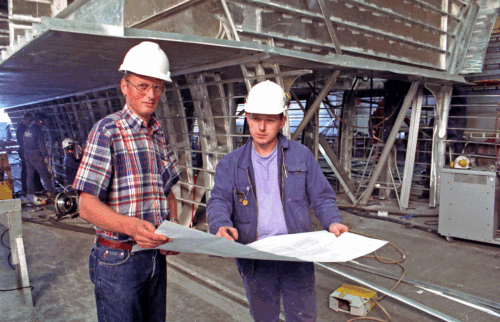
The result was a modern and highly functional shipyard covering approximately 2.5 acres, featuring two contemporary production halls totalling 2,000 m². These facilities significantly expanded the company’s production capacity and flexibility, enabling Oma to serve a broad range of customer segments and project types. This investment laid a strong foundation for continued growth and reinforced Oma Baatbyggeri’s position as a reliable and forward‑looking partner in the maritime industry.
The fast ferries
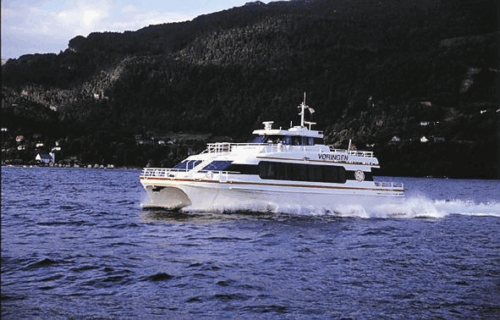
There was a change of vessel designs increasingly with focus towards aluminium catamarans.
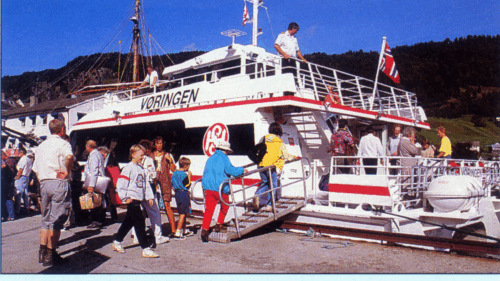
The first Oma Baatbygeri catamaran fast-ferry, Bnr. 507 m/s Vøringen was delivered in 1995.
Throughout the 90s the focus was on the fast ferry operators and the demand for fast transportation inter-city and from the many island communities along the Norwegian coast and into the urban city centres.
Sognebåtene
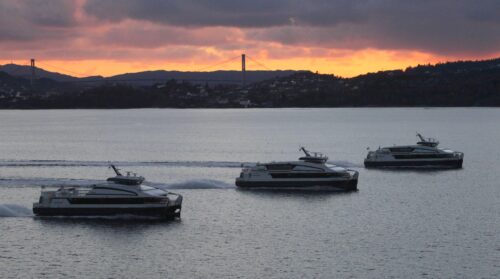
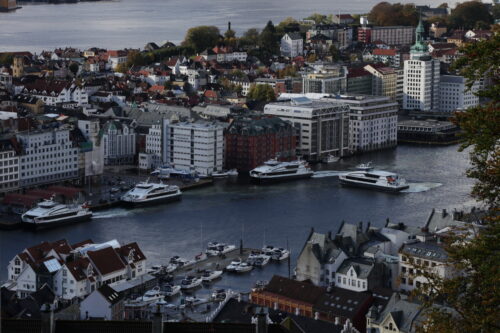
M/S Vingtor, M/S Frøya, and M/S Njord were delivered to Norled in 2012. The three vessels operate on routes between Bergen and Sogn og Fjordane and have become a familiar presence in the Bergen harbour. The two catamarans M/S Vingtor and M/S Njord are designed to carry up to 290 passengers each, while M/S Frøya has a passenger capacity of 190.
Diversification
It was recognised that to build fast ferries only, did not provide a stable enough level of activity for the yard.
A strategic descision was made to enter other markets and concepts were developed to compete on small car ferries and Crew Transfer Vessels (CTV) for transport of personnel to the offshore wind farms.
Two contracts were signed in 2017 one for the company’s first CTV and a second for the first electric car ferry.
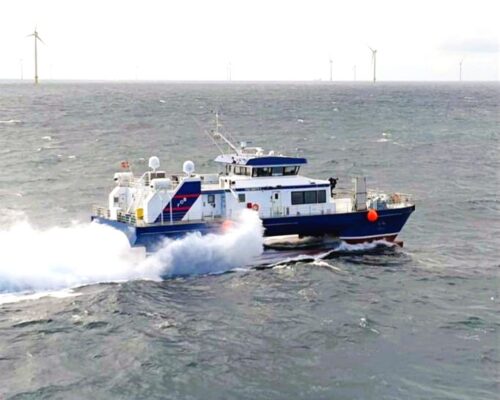
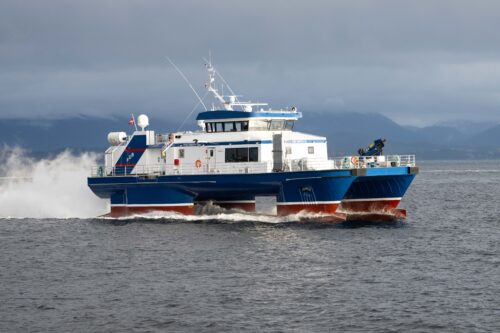
Crew Transfer Vessel (CTV)
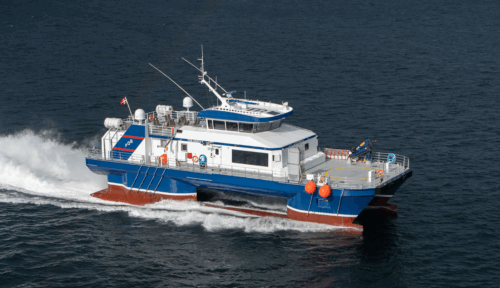
In 2018 the company delivered the first in a series of CTVs for the offshore wind market. The vessels operate throughout the Nort-Sea basin.
Electrical Car Ferry
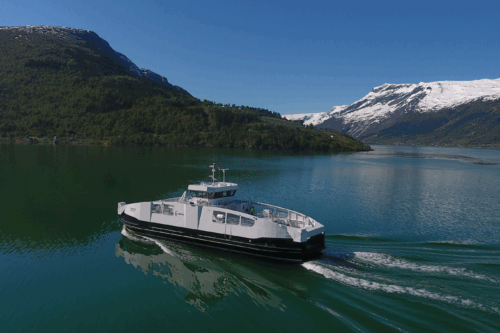
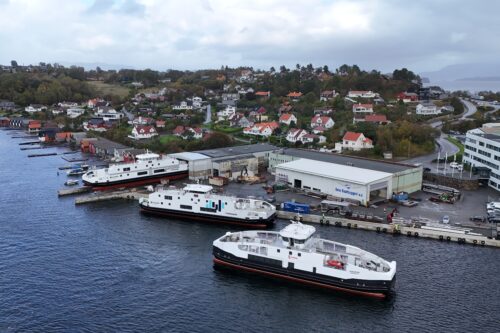
The company’s first electrical car ferry, M/F Kinsarvik, was delivered in 2019, paving the way for many hybrid and electrical vessels to come.
Traditional fast ferries
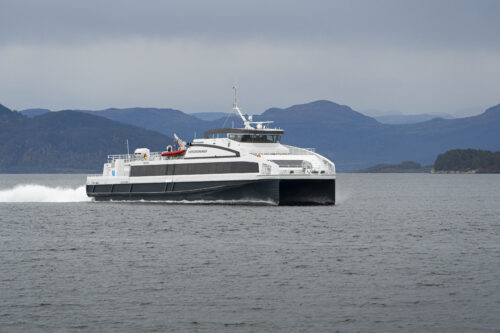
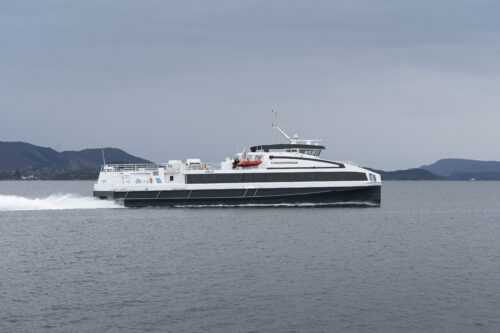
Since the first electrical car ferry was delivered in 2019 the majority of deliveries have been electrical or hybrid vessels. The traditonal fast ferries are still very popular, here represented by Bnr. 541 – M/S Fjorddronningen, delivered in October 2019, later joined by Bnr. 542 – M/S Fjorprinsen and Bnr. 543 – M/S Fjordjarl. All the vessels were delivered to Norled for operation between Tomsø and Harstad.
M/S Fjorgyn – Advanced Hybrid Patrol Vessel
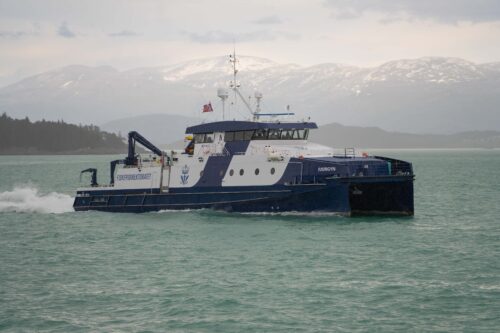
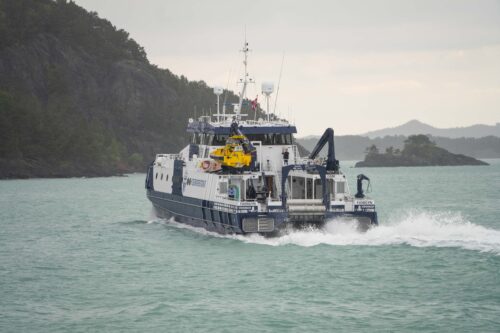
In 2022, Oma Baatbyggeri AS delivered newbuilding no. 547, M/S Fjorgyn. The nearly 40‑metre aluminium catamaran is specially designed for operation on behalf of the Norwegian Directorate of Fisheries, where it serves as a high‑performance coastal patrol vessel for fisheries inspection, recovery of lost fishing gear, and collection of coastal data.
M/S Fjorgyn is purpose‑built as a work vessel, featuring a large aft working deck equipped with cranes, winches, and an A‑frame, as well as a dedicated laboratory on board. The vessel measures 39.75 metres in length and has a top speed of approximately 32 knots, combining operational efficiency with excellent seakeeping and performance.
The vessel is fitted with an advanced hybrid propulsion system designed to reduce environmental impact. The system integrates four MTU main engines with exhaust purification meeting the most stringent emission standards, supported by two electric motors allowing operation on battery power alone or in hybrid mode. In addition, solar panels contribute to onboard energy needs for lighting and heating, further enhancing sustainability.
Built entirely at Oma Baatbyggeri in Stord, Fjorgyn represents close collaboration with local and regional suppliers and is a further development of Oma’s well‑proven catamaran designs, reinforcing the yard’s position as a leading builder of advanced, efficient aluminium vessels for demanding maritime operations.
Recent Deliveries
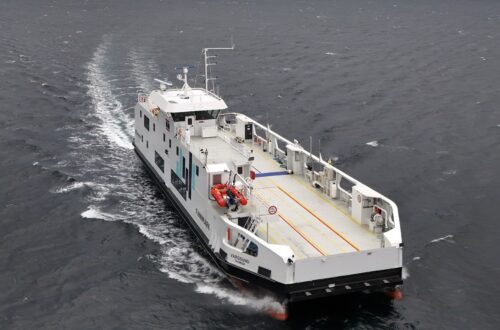
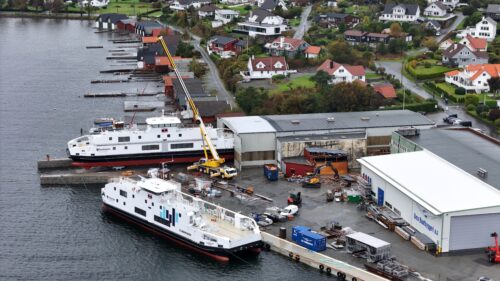
Bnr 552 M/F Vargsund was delivered to Torghatten Nord A/S in December 2025, soon to be joined by Bnr 553 M/F Seiland in 2026.
More Than a Century of Shipbuilding Excellence
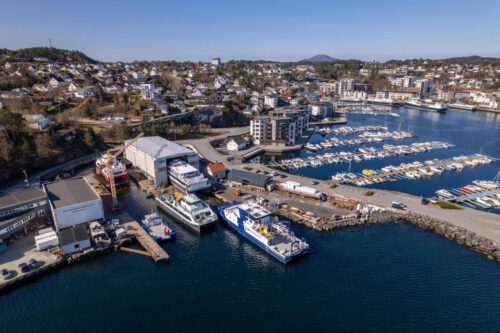
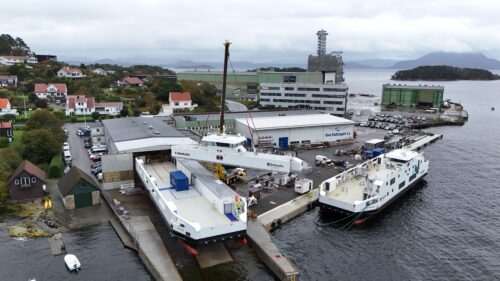
Today, the Oma group operates as a fully integrated maritime enterprise consisting of two modern and complementary shipyard facilities: Oma Baatbyggeri and Oma Slipp & Mekaniske Verksted. Together, the yards provide end‑to‑end capabilities ranging from advanced newbuilding of high‑speed aluminium vessels to comprehensive maintenance, repair, upgrade, and certification services. This structure enables the company to support vessel owners throughout the entire lifecycle of their fleets.
The company is led by the third and fourth generations of the Oma family, continuing a management tradition rooted in craftsmanship, technical expertise, and long‑term responsibility. At the same time, the fifth generation is already engaged within the organisation, representing continuity across more than a century of family ownership and hands‑on shipbuilding experience. This close intergenerational involvement ensures that knowledge, values, and commitment are carried forward while the company continues to adapt to modern technology, sustainability requirements, and the evolving needs of the maritime industry.